Mold can become a serious problem after water damage, especially in Florida. The warm weather, heavy humidity, frequent rain, and storm activity create the kind of environment where moisture can stay trapped inside a property longer than many people realize. When water damage is not cleaned and dried properly, mold can begin forming behind walls, under flooring, inside cabinets, around baseboards, and in other hidden areas.
For homeowners and business owners in Orlando, mold is not just a random issue that appears out of nowhere. It usually starts when moisture is left behind after a leak, flood, roof problem, plumbing issue, appliance failure, or storm related water intrusion. Even if the visible water is removed, damp building materials can still hold enough moisture to support mold growth.
Understanding how mold starts after water damage can help property owners act quickly and avoid bigger problems. The faster moisture is found and removed, the easier it is to protect the property and restore safe indoor conditions.
Why Mold Grows So Quickly In Florida
Florida has the perfect conditions for mold growth because the climate is warm and humid for much of the year. Mold needs moisture, a food source, and the right temperature to grow. Unfortunately, many common building materials already provide the food source mold needs. Drywall, wood, insulation, carpet, paper backing, cabinets, and dust can all support mold when moisture is present.
After water damage, moisture may remain inside these materials even after the surface looks dry. This is where many property owners get tricked. A floor may look normal, a wall may feel mostly dry, and the standing water may be gone, but moisture can still be sitting inside the structure like a tiny disaster waiting for applause.
In Orlando homes and businesses, humidity can slow down the drying process. If the indoor air remains damp, materials may not dry fast enough on their own. That creates a window for mold to begin spreading.
Water Damage Creates The Moisture Mold Needs
Mold cannot grow without moisture. That is why water damage is one of the most common causes of mold problems. A single leak can create enough dampness for mold to form if the area is not dried correctly.
Water damage can come from many sources, including burst pipes, leaking supply lines, overflowing appliances, roof leaks, clogged air conditioning drain lines, storm water intrusion, sewage backups, and flooding. Some water damage is obvious, such as standing water in a room. Other damage is hidden, such as moisture behind drywall or under flooring.
The source of the water matters, but the main concern is how long the moisture stays inside the property. The longer materials remain wet, the greater the risk of mold growth.
Mold Can Start In Hidden Areas
One of the biggest problems with mold after water damage is that it often starts where you cannot see it. Mold may grow behind walls, under laminate flooring, beneath carpet padding, inside cabinets, behind bathroom vanities, around insulation, or in attic spaces after a roof leak.
This hidden growth can continue even when the room looks clean. A homeowner may remove water from the floor and assume the problem is solved, while moisture remains trapped below the surface. Over time, a musty smell, staining, soft materials, or visible mold spots may appear.
Hidden moisture is common after water damage because building materials absorb water. Drywall can pull moisture upward from the floor. Wood can swell. Carpet padding can hold water. Cabinets can absorb moisture at the base. Once these materials stay damp, mold can begin to develop.
Common Water Damage Sources That Lead To Mold
Many mold problems begin with a water issue that was not fully resolved. In Orlando, some of the most common causes include plumbing leaks, roof leaks, air conditioning drain line clogs, appliance leaks, bathroom leaks, and storm related water intrusion.
Plumbing leaks can be especially dangerous because they may happen behind walls or under cabinets. A slow drip may not seem serious at first, but over time it can soak nearby materials and create mold growth.
Roof leaks can also lead to hidden mold in ceilings and attic areas. Water may enter through damaged roofing materials, then travel along beams or insulation before showing up as a stain inside the home.
Air conditioning systems are another common source of moisture in Florida. When a drain line clogs or an air handler leaks, water can collect in closets, ceilings, walls, or flooring. Since air conditioning systems run often in Orlando, these issues can cause repeated moisture problems if not corrected.
Why Surface Drying Is Not Enough
After water damage, wiping up water with towels or using a household fan may help with small surface moisture, but it is usually not enough for serious damage. Water can move into layers of material that are difficult to dry without proper equipment.
For example, carpet may feel dry on top while the padding underneath stays wet. Tile may look fine while water remains beneath nearby baseboards. Drywall may appear normal while moisture is trapped inside the wall cavity.
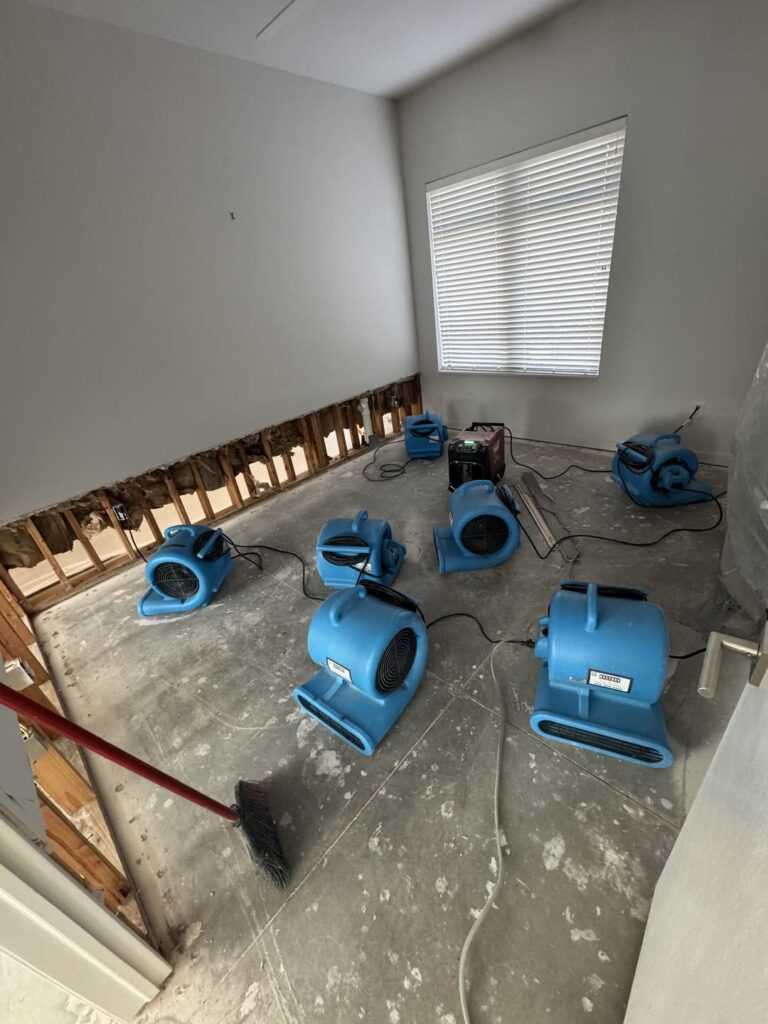
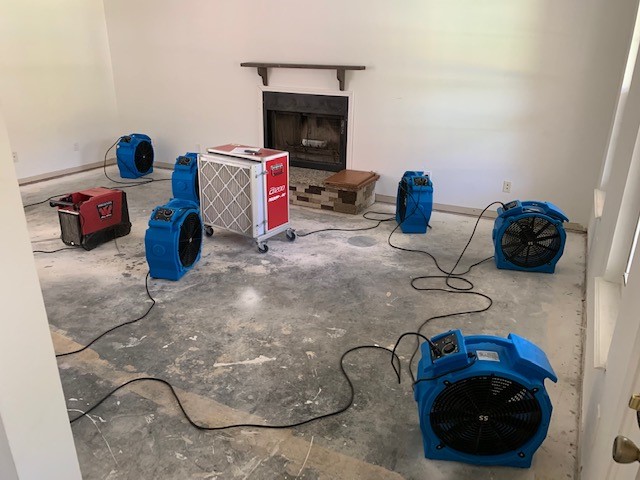
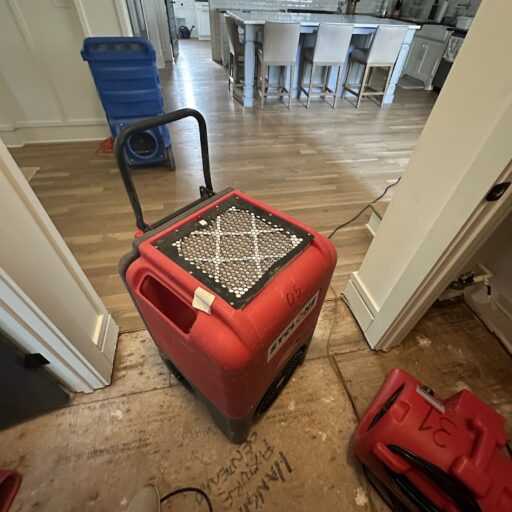
Professional water damage restoration focuses on more than visible cleanup. It includes moisture detection, water extraction, drying, dehumidification, and monitoring. This matters because mold prevention depends on removing moisture from the areas where it is actually hiding, not just making the room look presentable for human denial season.
Signs Mold May Be Starting After Water Damage
Mold does not always appear immediately as visible black or green spots. Early signs can be subtle. Property owners should watch for musty odors, damp areas that do not dry, discoloration, peeling paint, bubbling drywall, swollen baseboards, warped flooring, or soft spots.
A musty smell is often one of the first signs that moisture is still present. Even if mold is not visible, an odor may suggest growth behind a wall, under flooring, or inside another hidden area.
Recurring moisture is another warning sign. If the same area stays damp or keeps developing stains, there may be an active leak or trapped water. Mold is usually a symptom of a moisture problem, so the moisture source must be handled first.
Mold Risk After Storms And Flooding
Storms can create major mold risks for Florida properties. Heavy rain, wind driven water, roof damage, and flooding can all allow moisture into a building. After a storm, water may enter through windows, doors, roofing, exterior walls, or low areas around the property.
Flooding is especially concerning because water can spread through multiple rooms and soak many materials at once. Carpet, drywall, insulation, wood framing, cabinets, furniture, and personal items may all absorb moisture.
Storm related water damage should be handled quickly because Florida humidity can make drying harder. The longer the moisture remains, the more likely mold becomes.
What To Do If You Suspect Mold
If you suspect mold after water damage, avoid disturbing the affected area. Scrubbing, cutting, or tearing out materials without proper containment can spread mold particles through the property. It is also important not to paint over mold or cover it with new materials. That does not fix the problem. It just gives the problem a costume.
The first step is to identify and stop the moisture source. If there is an active leak, roof issue, plumbing problem, or drainage concern, it needs to be corrected. Then the affected areas need to be inspected and dried properly.
A professional restoration team can check moisture levels, locate hidden damp areas, remove damaged materials when needed, and help restore safe indoor conditions.
Preventing Mold After Water Damage
The best way to prevent mold after water damage is to act quickly. Stop the water source, remove standing water, move wet items away from dry areas, increase drying when safe, and call a restoration company for anything beyond a minor spill.
Do not assume that a room is dry just because the surface looks dry. Moisture can remain behind walls, under floors, and inside materials. Professional drying equipment and moisture meters can help confirm whether the affected areas are actually drying.
Property owners should also keep gutters clear, maintain air conditioning systems, inspect plumbing, check under sinks, and respond quickly to roof leaks or appliance leaks. Preventing moisture problems is one of the most effective ways to reduce mold risk.
Get Help With Water Damage And Mold In Orlando
Mold can start after water damage when moisture is left behind inside a home or business. In Florida, the warm and humid climate can make the problem develop faster and spread more easily. That is why proper water removal, drying, and moisture control are so important after leaks, flooding, roof damage, or storm related water intrusion.
White Glove Water Damage Restoration provides water damage restoration, mold remediation, fire damage restoration, and storm damage cleanup for homeowners and businesses in Orlando, FL and surrounding Central Florida communities. Our team focuses on finding moisture, drying affected materials, and helping properties recover safely after water damage.