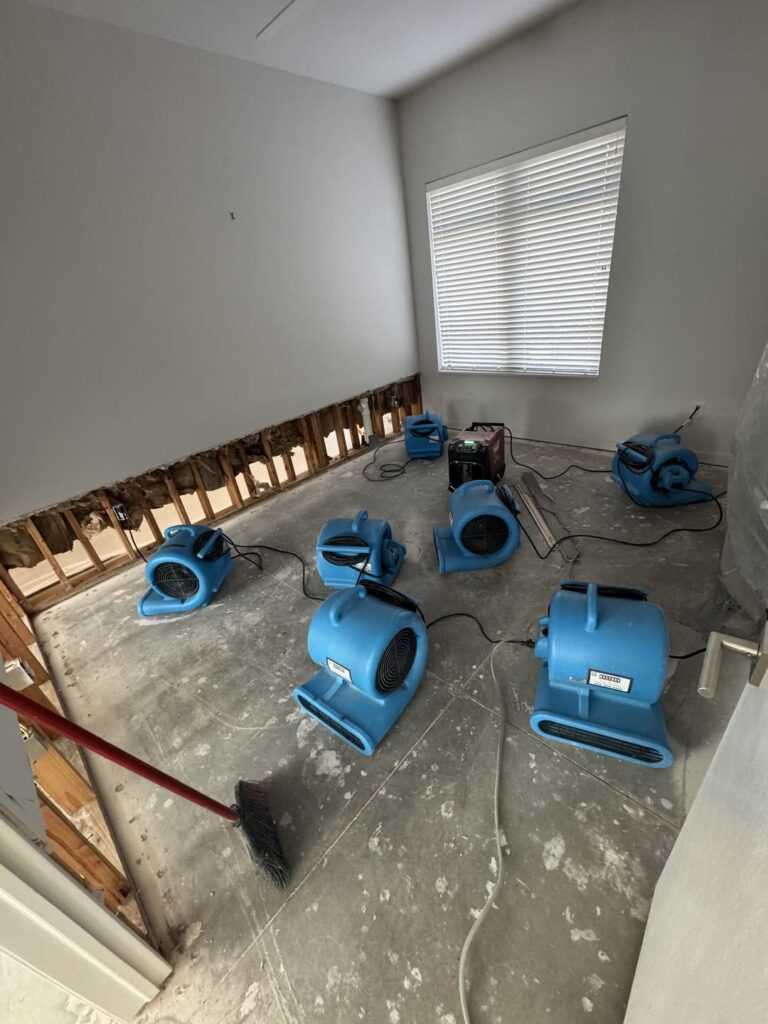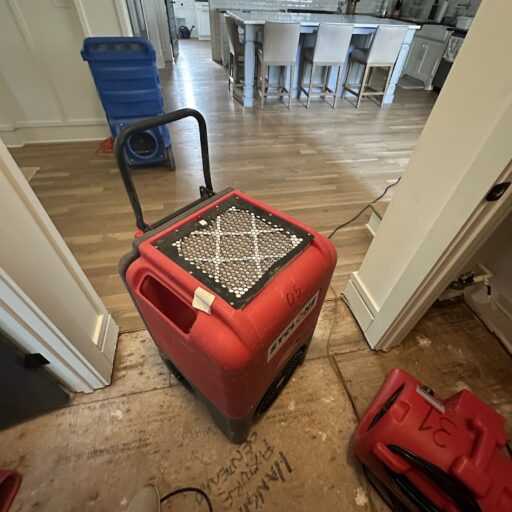
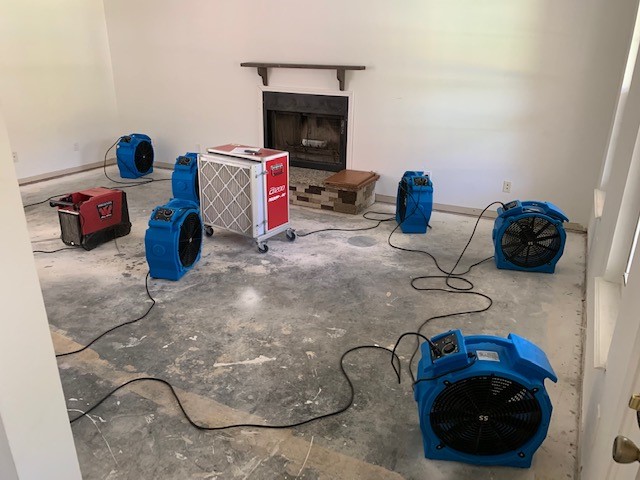
Water damage is one of the most common property problems homeowners face in Orlando, FL. Between heavy rain, high humidity, tropical storms, aging plumbing, roof leaks, and air conditioning systems that work almost nonstop, there are plenty of ways moisture can find its way into a home. Once water gets inside, it can spread quickly through flooring, drywall, cabinets, insulation, and structural materials.
The frustrating part is that water damage does not always start with a major flood. Sometimes it begins with a slow pipe leak, a clogged air conditioning drain line, a small roof opening, or an appliance connection that has been dripping behind a wall for weeks. By the time stains, odors, soft flooring, or mold become visible, the damage may already be more serious than it looks.
Understanding the common causes of water damage in Orlando homes can help property owners spot problems early and take action before moisture creates long term issues. Here are the main sources of water damage to watch for.
Heavy Rain And Storm Water Intrusion
Orlando gets plenty of heavy rain, especially during the wet season. Sudden storms can drop a large amount of water in a short period of time. When drainage systems, gutters, windows, doors, or roofing materials cannot handle the volume, water can enter the home.
Storm water may seep through gaps around windows, under doors, through damaged roof areas, or into low spots around the foundation. Homes with poor yard drainage may also experience water pooling near exterior walls. If that water has nowhere to go, it can eventually find weak points and move inside.
Storm related water damage can affect flooring, baseboards, drywall, insulation, and personal belongings. Even if the water dries on the surface, moisture can remain hidden inside walls or under flooring. That hidden moisture is where mold and structural problems can begin. Because apparently water is not satisfied with ruining one room. It prefers a full tour of the house.
Roof Leaks
Roof leaks are another common cause of water damage in Orlando homes. Strong sun, wind, rain, storms, and age can all wear down roofing materials over time. Missing shingles, cracked tiles, damaged flashing, worn sealant, and clogged roof valleys can allow water to enter the attic or ceiling.
Many roof leaks start small. A homeowner may notice a light ceiling stain, bubbling paint, or a musty smell before seeing visible dripping. The problem is that water can travel along beams, insulation, and ceiling materials before showing up inside a room. This means the visible stain may not be directly under the actual leak.
Roof leaks should be handled quickly. Moisture in the attic can damage insulation, wood framing, drywall, and electrical areas. In Orlando, where humidity is already high, trapped roof leak moisture can also raise the risk of mold growth.
Plumbing Leaks
Plumbing leaks are one of the most frequent causes of indoor water damage. Pipes, fittings, valves, supply lines, and drain lines can leak for many reasons. Age, corrosion, water pressure, poor installation, loose connections, and normal wear can all lead to problems.
Some plumbing leaks are obvious, such as a burst pipe or water spraying under a sink. Others are hidden behind walls, under floors, inside cabinets, or beneath the slab. A slow leak can continue for weeks or months before signs appear.
Common warning signs include higher water bills, damp cabinets, musty odors, stained walls, warped flooring, peeling paint, or soft drywall. Even a small leak can cause major damage if it is not found and repaired. Homes are deeply dramatic like that. Give them one drip and they start falling apart like a group project.
Burst Pipes
Although Orlando does not deal with freezing pipes as often as colder areas, burst pipes can still happen. Pipes can burst because of age, pressure buildup, corrosion, shifting materials, or damage during construction or renovation work.
A burst pipe can release a large amount of water quickly. This can flood rooms, damage flooring, soak drywall, and spread into nearby spaces. When this happens, the first step is to shut off the main water supply if it is safe to do so. After that, water extraction and drying should begin as soon as possible.
Fast response is important because standing water can move under flooring, behind baseboards, and into wall cavities. The longer materials stay wet, the harder the restoration process becomes.
Air Conditioning Drain Line Clogs
In Orlando, air conditioning systems run constantly for much of the year. That means air conditioning related water damage is extremely common. One of the biggest issues is a clogged condensate drain line.
Your air conditioning system removes moisture from the air as it cools the home. That moisture collects and drains away through a condensate line. When the line becomes clogged with dirt, algae, dust, or buildup, water can back up and overflow.
This can lead to water damage near the air handler, ceilings, closets, walls, or flooring. In some homes, the air conditioning unit is located in an attic or upper level space, which means a clogged drain line can cause ceiling leaks below.
Regular maintenance can reduce the risk, but clogs can still happen. If you notice water near the air conditioning unit, ceiling stains, musty smells, or unexplained moisture, the drain line may be part of the problem.
Appliance Leaks
Household appliances are another major source of water damage. Washing machines, dishwashers, refrigerators, water heaters, and ice makers all use water lines or drainage systems. When hoses, seals, valves, or connections fail, water can leak into surrounding areas.
Washing machine supply lines can crack or loosen. Dishwashers can leak from door seals or drain connections. Refrigerators with ice makers or water dispensers can leak behind the unit. Water heaters can rust, crack, or fail completely.
Appliance leaks can be especially damaging because they often happen in areas with flooring, cabinets, and walls nearby. Water may spread under tile, laminate, wood, or vinyl before anyone notices. Pulling appliances forward during routine checks can help spot early signs of moisture.
Bathroom Leaks
Bathrooms are designed to handle water, but that does not mean they are immune to water damage. In fact, bathrooms are one of the most common places for leaks. Toilets, sinks, tubs, showers, supply lines, drains, and caulking can all fail over time.
A leaking toilet base can allow water to seep into flooring and subfloor materials. Cracked grout or worn caulk around a shower can let moisture move behind tile. Sink leaks can damage cabinets and walls. Tub overflows can send water into nearby rooms or ceilings below.
Bathroom leaks are often ignored because small amounts of water seem normal in that space. That is the trap. Water that escapes into areas not designed to stay wet can create mold, odors, soft flooring, and hidden damage.
Kitchen Leaks
Kitchens have several possible water damage sources. Sink plumbing, dishwasher lines, refrigerator water lines, garbage disposals, and supply valves can all leak. Since many of these connections are inside cabinets or behind appliances, leaks can stay hidden for a while.
Kitchen water damage often affects cabinets first. You may notice swelling, staining, soft wood, musty odors, or warped flooring near the sink or dishwasher. If the leak continues, moisture can spread under flooring and into walls.
Because kitchens are used daily, even a small leak can become a bigger issue if it is not repaired. Checking under the sink and around appliances regularly can help catch problems before they turn into a full restoration job.
Clogged Gutters And Poor Drainage
Gutters are supposed to move rainwater away from the home. When they are clogged with leaves, dirt, and debris, water can overflow and run down exterior walls. Over time, this can contribute to roof edge damage, siding issues, foundation moisture, and interior leaks.
Poor drainage around the home can also cause problems. If the yard slopes toward the house or downspouts release water too close to the foundation, moisture can collect around exterior walls. During heavy Orlando rain, this can increase the chance of water intrusion.
Keeping gutters clear and making sure water flows away from the home can help reduce the risk of storm related water damage.
Mold From Unresolved Moisture
Mold is not usually the first cause of water damage, but it is one of the most common results when water damage is not handled properly. In Orlando, mold can become a serious concern because warm temperatures and humidity create ideal conditions for growth.
Mold can develop after roof leaks, plumbing leaks, flooding, air conditioning leaks, or hidden moisture under flooring and inside walls. It may appear as spots on walls or ceilings, but it can also grow behind surfaces where it is not immediately visible.
Musty odors, recurring dampness, staining, and allergy like symptoms can all be signs of a moisture problem. The key to preventing mold is proper drying. Surface cleaning alone is not enough if moisture remains inside building materials.
Protecting Your Orlando Home From Water Damage
Water damage can come from many different sources, but quick action makes a major difference. Heavy rain, plumbing leaks, roof problems, appliance failures, air conditioning drain issues, and poor drainage can all lead to serious property damage if moisture is not controlled.
Homeowners should watch for early warning signs such as stains, odors, soft flooring, swollen baseboards, peeling paint, damp cabinets, and unexpected water bills. These signs may point to hidden moisture that needs attention.
White Glove Water Damage Restoration provides water damage restoration, mold remediation, fire damage restoration, and storm damage cleanup for homeowners and businesses in Orlando, FL and surrounding Central Florida communities. Our team helps remove water, dry affected materials, and restore safe indoor conditions after leaks, flooding, storms, and other water damage events.