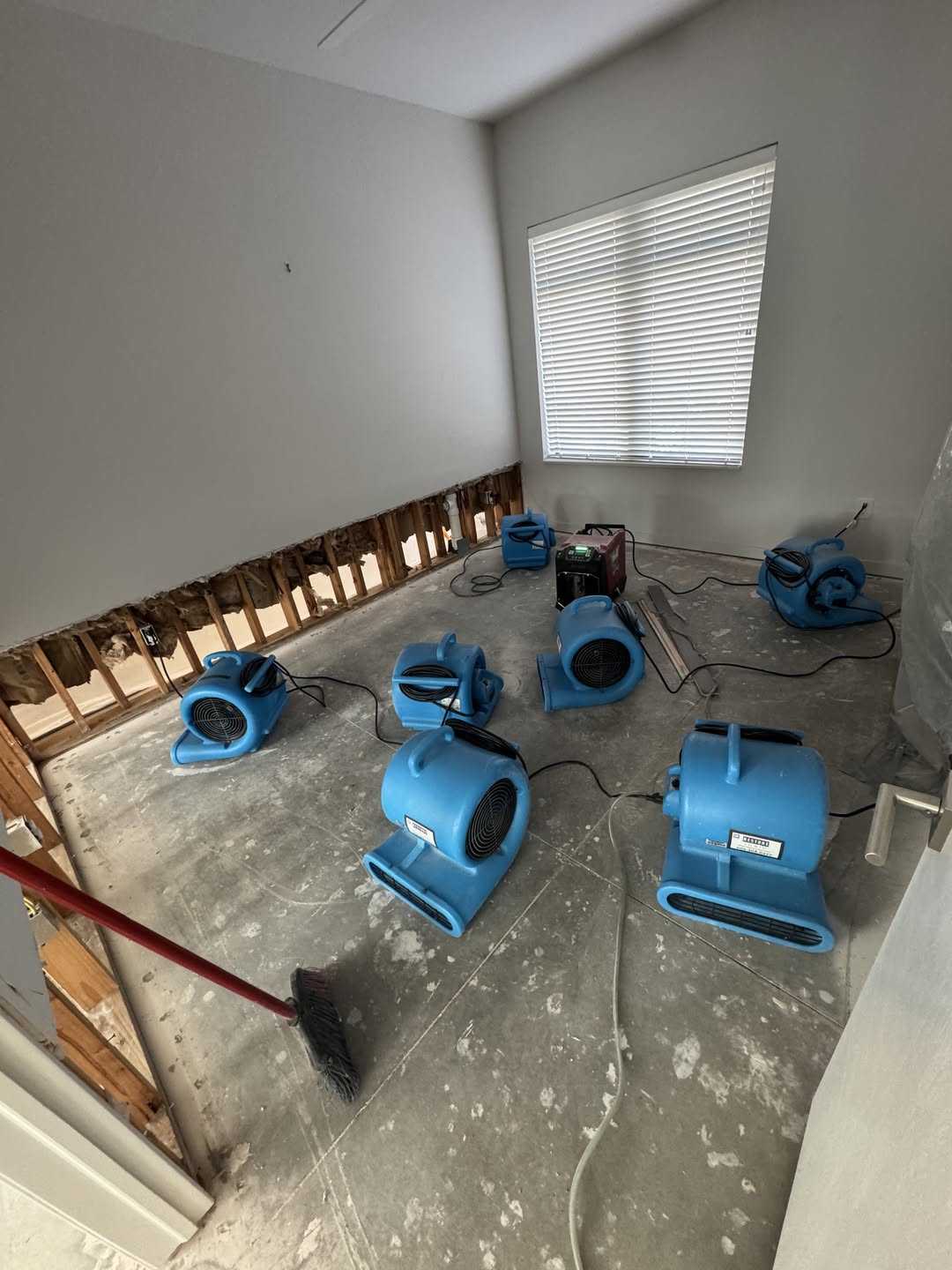
Water damage can happen fast in an Orlando home. A leaking pipe, overflowing appliance, roof leak, storm water intrusion, or backed up drain can turn a normal day into a stressful cleanup situation almost immediately. In a place like Orlando, where heavy rain, humidity, and sudden storms are part of daily life, water damage needs to be handled quickly and carefully. Waiting too long can allow moisture to spread into walls, flooring, cabinets, insulation, and other building materials.
The first thing to understand is that water damage is not always limited to what you can see. Standing water may be obvious, but hidden moisture can remain behind baseboards, under flooring, inside drywall, and around structural materials. That hidden moisture is where bigger problems can start. Mold growth, odors, warped flooring, stained walls, and weakened materials can all develop if the property is not dried properly.
If your Orlando home has water damage, the right steps can help limit the damage and make the restoration process smoother. Here is what to do after water damage affects your property.
Make Sure The Area Is Safe
Before trying to clean anything, make sure the area is safe to enter. Water and electricity are a dangerous combination, because apparently homes needed one more way to betray us during an emergency. If water is near outlets, appliances, electrical panels, or wiring, avoid entering the affected area until it has been checked.
You should also be careful if the water came from a sewage backup, outside flooding, or a drain issue. This type of water may contain bacteria, waste, or other contaminants that should not be touched without proper protection. Even clean water from a pipe leak can become more hazardous if it sits too long.
If ceilings are sagging, flooring feels soft, or walls look swollen, do not walk through the area unless it is necessary. Structural damage can make certain parts of the home unsafe. Your first priority should always be safety, not saving a rug that was probably already judging your furniture.
Stop The Source Of Water
Once it is safe, try to stop the source of the water. If the damage is caused by a burst pipe, leaking supply line, or plumbing issue, turn off the main water supply to the home. Most homes have a main shutoff valve near the water meter, garage, utility area, or outside wall.
If the water is coming from an appliance, such as a washing machine, dishwasher, refrigerator, or water heater, turn off the appliance and shut off the connected water valve if possible. For roof leaks or storm related water intrusion, place a bucket or container under the leak if it is safe to do so, but avoid climbing on the roof during or after a storm.
Stopping the source helps prevent more water from entering the property. The faster the water stops, the easier it is to limit the damage.
Document The Damage
Before major cleanup begins, take photos and videos of the affected areas. Capture standing water, damaged flooring, wet walls, ceiling stains, damaged furniture, soaked belongings, and the possible source of the water. This documentation can be helpful if you file an insurance claim.
Try to get clear images from different angles. Do not throw away damaged items until they have been documented, unless they create a safety issue. Keep a list of damaged belongings, including furniture, electronics, flooring, cabinets, personal items, and anything else affected.
Good documentation gives you a better record of what happened and what was damaged. Insurance claims are already enough of a paperwork circus, so having photos ready can make the process less painful.
Remove Standing Water If Possible
If there is a small amount of clean water and it is safe to access the area, you can begin removing standing water with towels, mops, or a wet vacuum. This can help reduce the amount of moisture soaking into flooring and nearby materials.
However, avoid using a regular household vacuum to remove water. That is not what it is made for, and electricity plus water is not a cute little home experiment. If there is a large amount of water, contaminated water, or water spreading through multiple rooms, it is better to call a professional restoration company.
Water removal is only the first part of the process. Even after visible water is gone, moisture can remain inside materials. That is why proper drying matters so much.
Move Items Away From Wet Areas
If it is safe, move furniture, rugs, boxes, clothing, and personal items away from the wet area. This can help reduce damage and prevent moisture from spreading into items that may still be dry.
Place furniture on blocks or move it to a dry room if possible. Remove wet rugs and mats from the floor. Open drawers and cabinets if they are affected by moisture. Move valuables, documents, and electronics to a safe dry location.
Do not place wet items directly on other flooring or furniture, because moisture can transfer and create new damage. The goal is to separate wet materials from dry materials as quickly as possible.
Increase Airflow But Be Careful
Airflow can help with drying, but it needs to be used carefully. If the water came from a clean source and the area is safe, you can use fans to improve air movement. Opening windows may help if outdoor humidity is low, but in Orlando, that is not always the case. Florida air often feels like someone left a wet towel over the entire city.
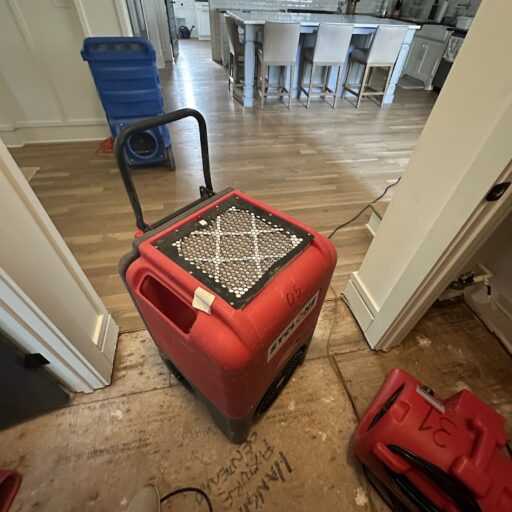
If the outside air is humid, opening windows can slow the drying process. Air conditioning and dehumidifiers may help reduce indoor moisture, but household equipment may not be enough for serious water damage. Professional restoration equipment is designed to remove moisture from the air and affected materials more effectively.
Avoid using fans if there is visible mold or contaminated water. Air movement can spread particles through the home if the situation is unsafe.
Watch For Signs Of Hidden Moisture
Some signs of water damage show up right away. Others appear later. Watch for stains, bubbling paint, peeling drywall, swollen baseboards, musty odors, warped flooring, soft spots, or discoloration. These signs may mean moisture is trapped behind surfaces.
Tile, laminate, wood, carpet, and drywall can all hold moisture in different ways. Cabinets and vanities can also absorb water near the base. In many Orlando homes, moisture can become a bigger issue because of the warm and humid climate.
Hidden moisture is one of the main reasons water damage should not be treated like a simple surface cleanup. A room can look dry while moisture remains under the floor or inside the wall. That is where professional moisture meters and drying equipment become important.
Call A Water Damage Restoration Company
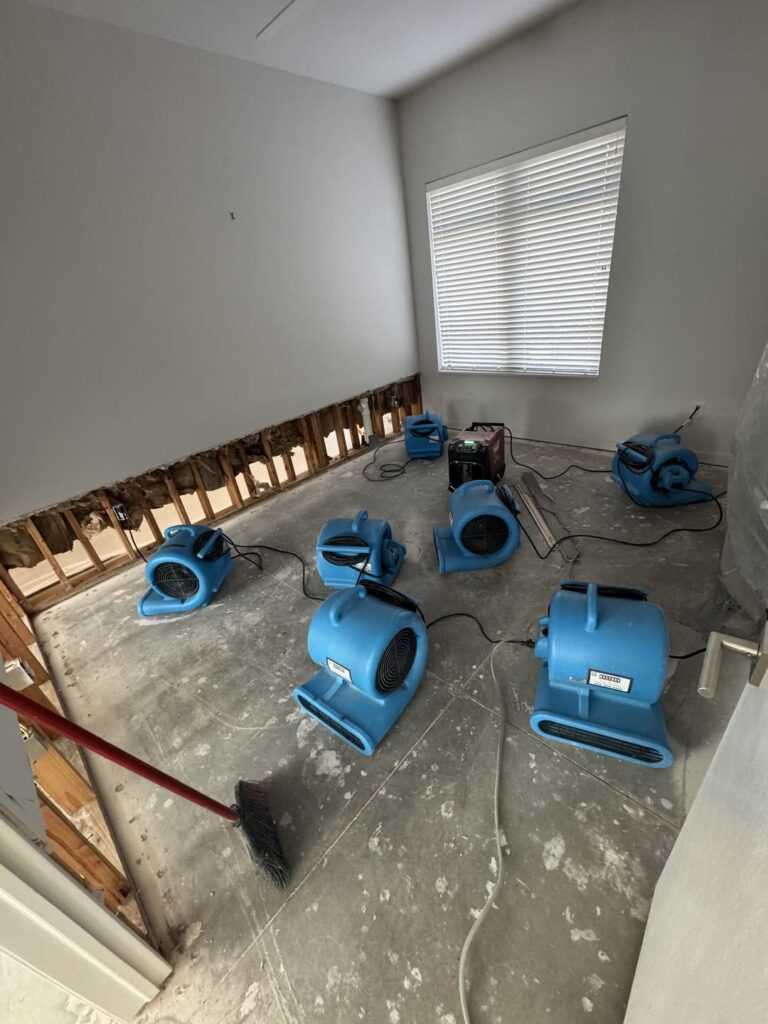
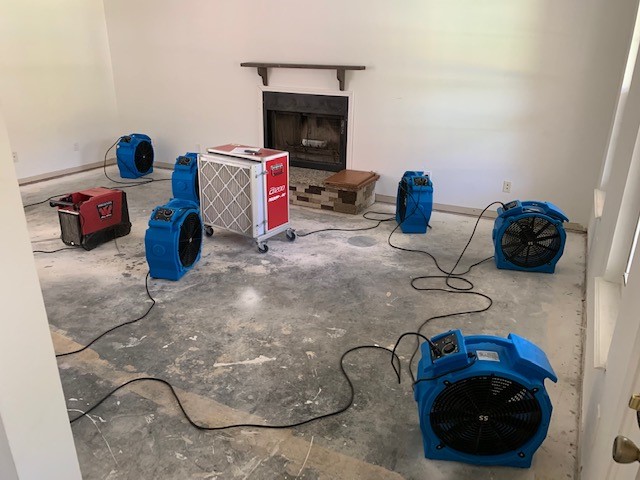
For anything beyond a minor spill, contact a professional water damage restoration company. A trained restoration team can inspect the damage, remove water, check moisture levels, set up drying equipment, and help prevent further issues.
Professional restoration usually includes water extraction, moisture detection, drying, dehumidification, cleaning, and damaged material removal when needed. The goal is to stabilize the property and restore safe indoor conditions.
In Orlando, fast response matters because moisture and humidity can speed up mold growth. Calling a restoration company quickly can help reduce damage and lower the chance of long term problems.
Contact Your Insurance Company
If the damage is significant, contact your insurance company to report the issue. Explain what happened, when you noticed it, and what areas were affected. Share photos, videos, and any documentation you collected.
Your insurance company may explain what is covered, what your deductible is, and whether an adjuster needs to inspect the property. Coverage depends on the cause of the damage and the details of your policy. Sudden pipe leaks may be handled differently than flood water from outside, because insurance policies love making simple things complicated.
Keep receipts for emergency services, repairs, temporary lodging, and any items purchased for cleanup. These records may be useful during the claim process.
Do Not Ignore Mold Risk
Mold can begin developing when moisture remains inside a home for too long. Orlando homes are especially vulnerable because of the warm, humid climate. After water damage, mold may grow behind walls, under flooring, around baseboards, inside cabinets, or near wet insulation.
Musty odors, dark spots, allergy like symptoms, and recurring dampness can all be signs of a moisture or mold issue. If you suspect mold, avoid disturbing the area. Scrubbing visible mold without addressing the moisture source can make the problem worse.
Proper drying is one of the most important ways to reduce mold risk after water damage. The goal is not just to make the home look dry. The goal is to remove moisture from the materials that absorbed it.
Get Your Home Back To Normal
Water damage is stressful, but taking the right steps can help protect your Orlando home and limit further damage. Start with safety, stop the water source, document the damage, remove what you can safely move, and contact a professional restoration company when the damage is more than minor.
White Glove Water Damage Restoration provides water damage restoration, mold remediation, fire damage restoration, and storm damage cleanup for homeowners and businesses in Orlando, FL and nearby Central Florida communities. Our team focuses on careful cleanup, proper drying, and dependable restoration work so your property can recover safely after damage.