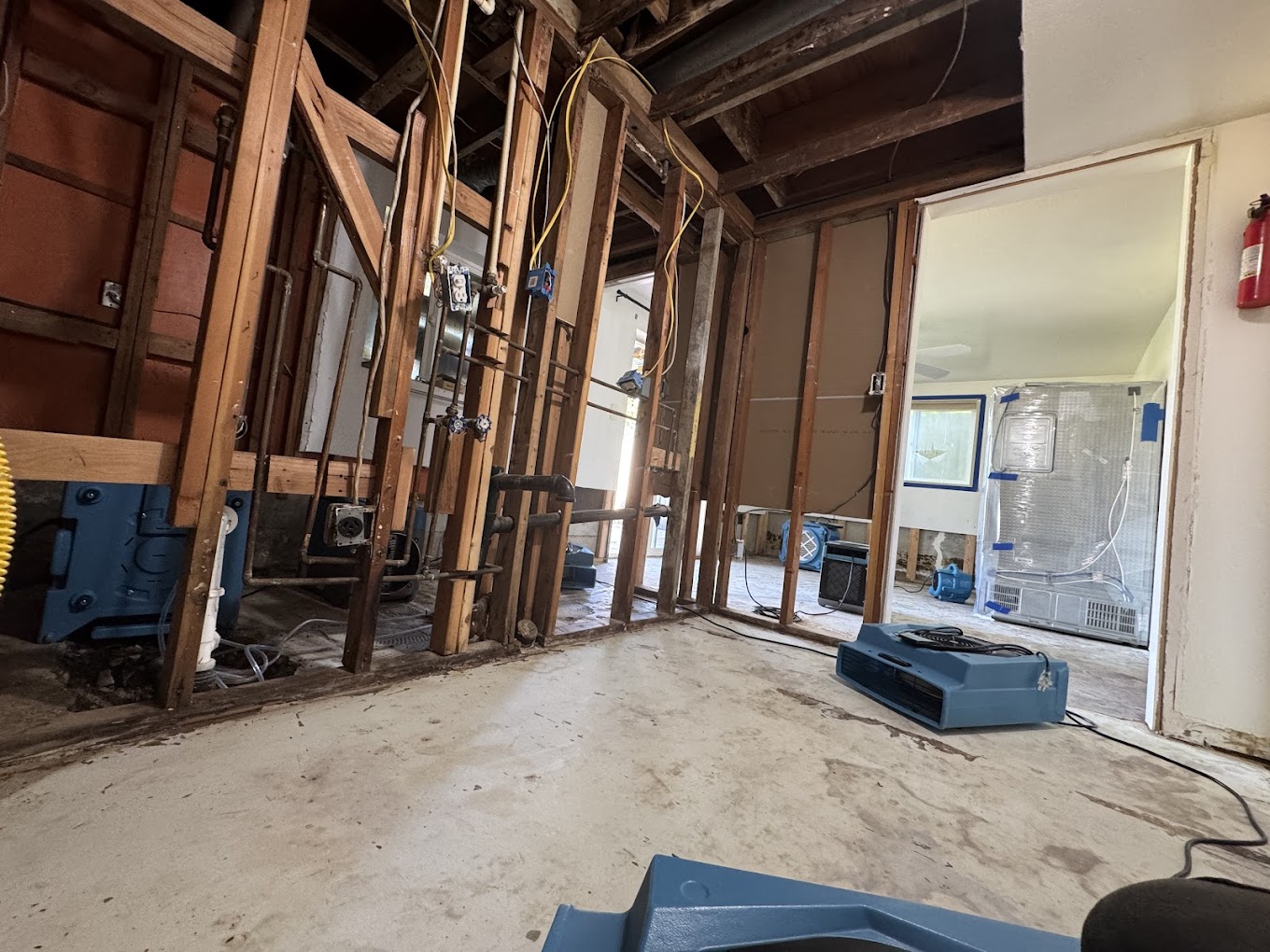
Water damage can happen without warning and the actions taken in the first few hours often determine how severe the damage becomes. In Orlando, water damage may result from heavy rain, plumbing failures, appliance leaks, or air conditioning issues. Knowing what to do immediately after water damage occurs can help limit loss, protect the structure, and reduce long term problems.
Many property owners underestimate how quickly water spreads and how deeply it can penetrate building materials. Even small amounts of water can soak into flooring, drywall, and insulation, creating hidden damage that worsens over time. Acting quickly and correctly is essential.
Ensure Safety First
Before addressing any water damage, personal safety should be the first priority. If there is standing water near electrical outlets, appliances, or wiring, avoid entering the area until power has been shut off. Water and electricity create serious hazards that should never be ignored.
If the damage was caused by a storm or structural issue, check for visible hazards such as sagging ceilings, warped flooring, or weakened walls. These conditions can indicate deeper damage that may pose a risk. If the area feels unsafe, it is best to wait for professional assistance.
Identify and Stop the Source of Water
Once it is safe to do so, the next step is to locate the source of the water and stop it if possible. This may involve turning off the main water supply, shutting down an appliance, or placing temporary barriers to limit additional water intrusion.
In Orlando homes, common sources include broken pipes, overflowing air conditioning drain lines, leaking water heaters, or roof leaks during heavy rain. Stopping the source early helps prevent additional water from entering the property and reduces the scope of damage.
Remove Excess Water Quickly
Standing water should be removed as soon as possible. Water left in place continues to seep into porous materials and increases the risk of structural damage and mold growth.
Small amounts of water may be removed using towels, wet vacuums, or mops. However, larger water losses often require professional grade equipment to remove water effectively. The longer water remains, the harder it becomes to fully dry affected areas.
Protect Belongings and Furnishings
After water removal begins, move furniture, electronics, and personal belongings away from wet areas when possible. Items left in contact with moisture can absorb water and suffer permanent damage.
If furniture cannot be moved, placing plastic or wood blocks under legs can help reduce water absorption. Area rugs and soft furnishings should be removed from wet flooring to prevent staining and material breakdown.
Increase Airflow and Begin Drying
Drying begins immediately after water removal. Opening windows and doors when weather conditions allow can help increase airflow. Fans may assist with surface drying, but they are often not enough to address moisture trapped inside walls and flooring.
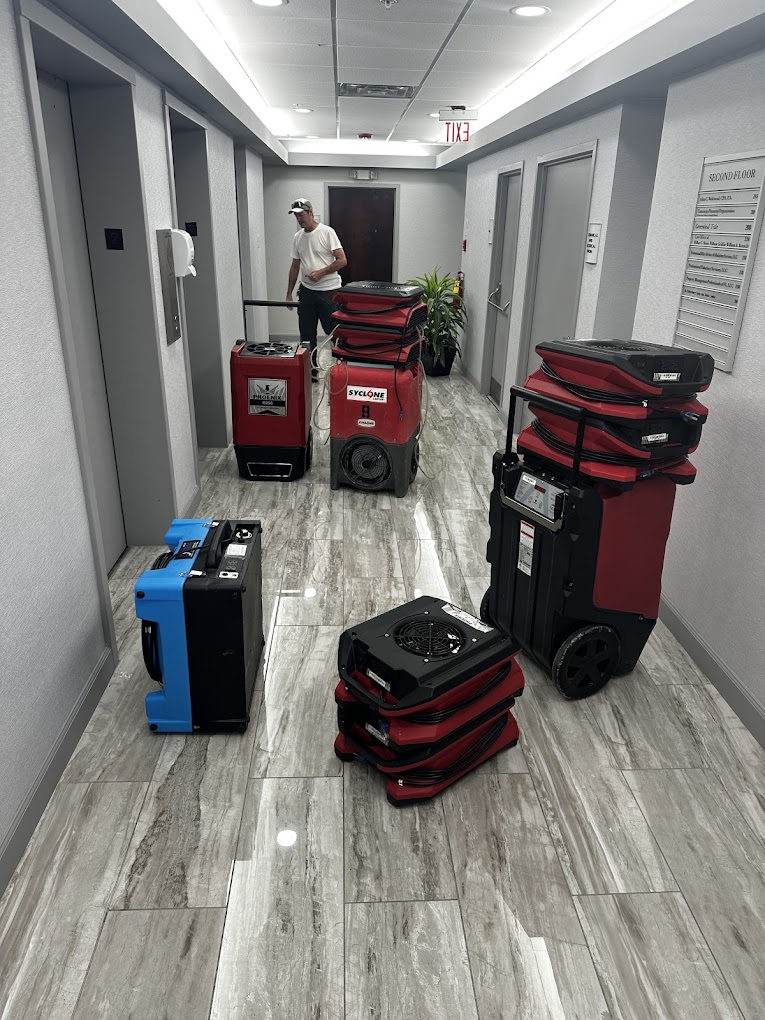
In Orlando humid conditions, drying without professional equipment can be challenging. High humidity slows evaporation and allows moisture to linger. This is one reason professional drying equipment is often necessary after water damage.
Document the Damage
Before extensive cleanup or repairs begin, document the damage thoroughly. Take photos and notes of affected areas, damaged materials, and visible water intrusion.
This documentation can be helpful for insurance claims and provides a clear record of the initial condition of the property. Be sure to capture wide views as well as close up images of damage.
Avoid Common Mistakes After Water Damage
Many property owners unintentionally make water damage worse by delaying action or relying on surface drying alone. Drying the visible water does not mean the property is dry. Moisture often remains behind walls, under flooring, and inside insulation.
Another common mistake is removing materials too quickly without proper assessment. Some materials may be salvageable if dried correctly, while others may need removal to prevent ongoing damage. Professional evaluation helps determine the correct approach.
Understand the Risk of Hidden Moisture
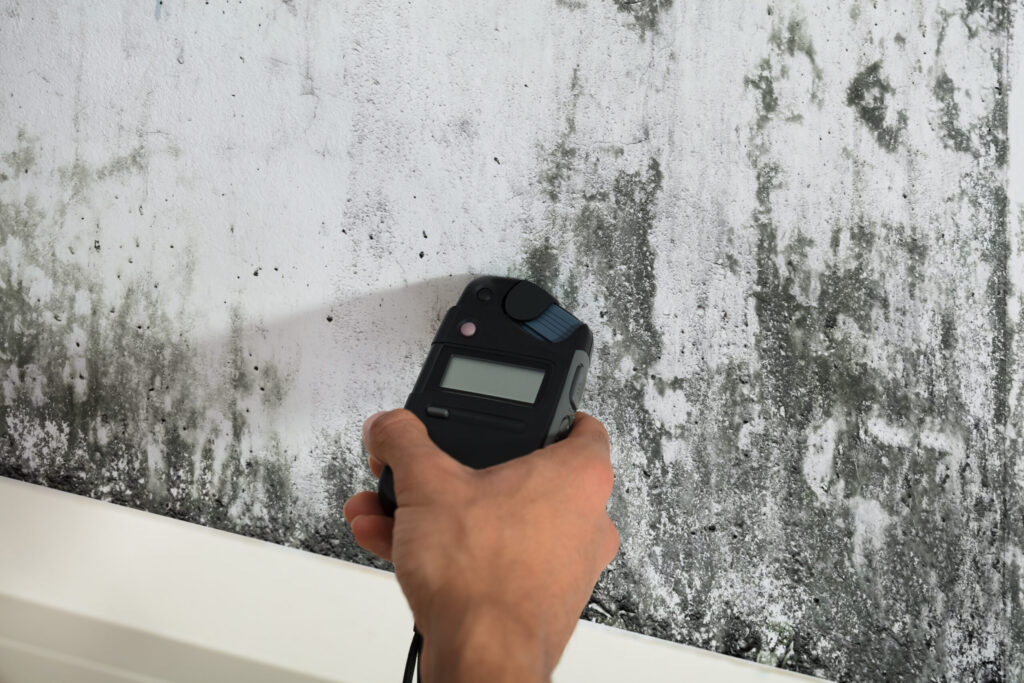
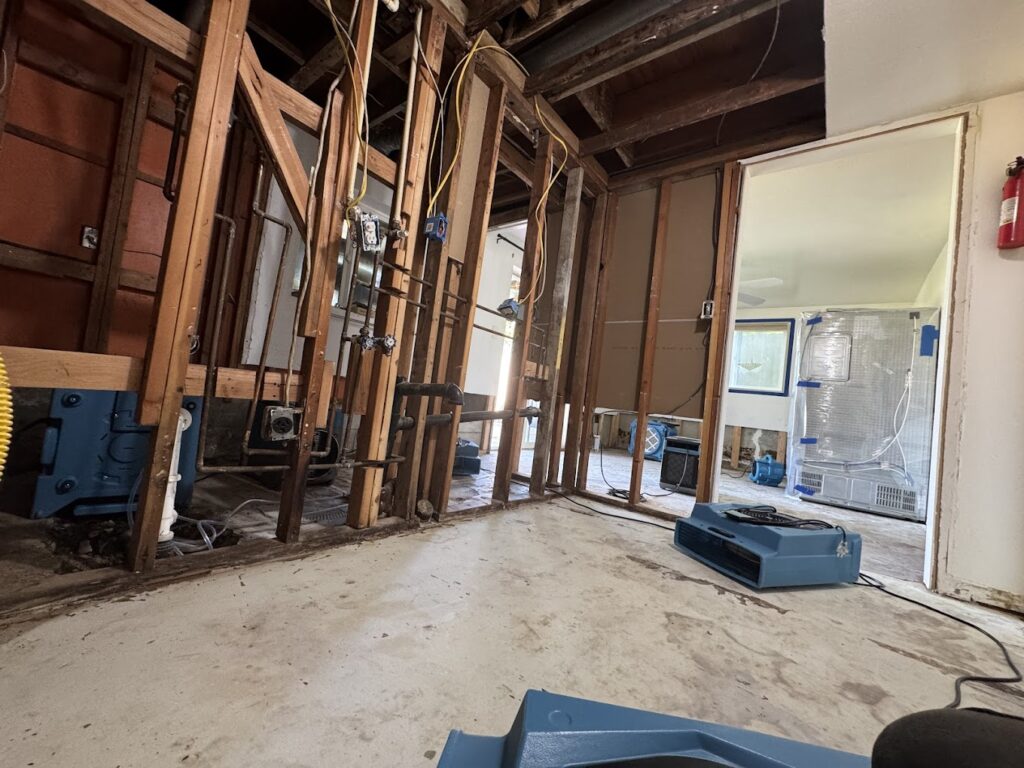
One of the biggest concerns after water damage is hidden moisture. Water travels along framing, behind drywall, and beneath flooring, often spreading far beyond the visible area.
In Orlando climate, trapped moisture creates conditions that allow mold to develop quickly. Even when surfaces appear dry, moisture can remain inside building materials. Professional moisture detection tools are often required to locate and address these hidden issues.
When to Call a Water Damage Restoration Professional
While small spills may be manageable, most water damage situations benefit from professional restoration services. Professionals use specialized equipment to remove water, dry materials, and monitor moisture levels throughout the property.
Calling a water damage restoration professional early helps limit damage and prevents secondary problems such as mold growth, structural weakening, and odor issues. Early intervention often reduces overall restoration time and cost.
The Professional Restoration Process
Professional water damage restoration typically includes a detailed assessment, water removal, structural drying, and restoration of affected materials. Moisture levels are monitored throughout the process to ensure proper drying is achieved.
In Orlando, restoration professionals are familiar with common water damage scenarios related to storms, humidity, and air conditioning systems. This experience allows them to address both visible damage and underlying moisture issues effectively.
Long Term Protection After Water Damage
After restoration is complete, steps should be taken to reduce the risk of future water damage. This may include plumbing inspections, appliance maintenance, roof repairs, and improved drainage around the property.
Monitoring humidity levels and maintaining proper ventilation also help protect interior spaces from moisture buildup. Preventative maintenance plays a key role in avoiding repeat water damage events.
Final Thoughts
Water damage can feel overwhelming, especially when it happens suddenly. Knowing what to do immediately after water damage occurs helps protect your property and reduces the risk of long term issues.
In Orlando, fast action is especially important due to humidity and frequent rainfall. Addressing water damage early and seeking professional restoration when needed ensures your property is restored safely and effectively.